Body Contouring Surgery: Why Losing the Weight Isn’t Always the End of the Journey

weight-loss-featured-img

For many people, losing weight is one of the hardest things they will ever do. It requires commitment, discipline and persistence. Whether the weight loss comes from lifestyle changes, bariatric surgery, pregnancy recovery or years of dedication in the gym, reaching a healthier weight is a remarkable achievement.

Yet for some patients, arriving at their goal weight does not necessarily mean they feel comfortable in their own skin.

As a Specialist Plastic and Reconstructive Surgeon in Sydney, one of the most common things I hear from patients is:

“I’ve lost the weight, but my body still doesn’t look the way I imagined it would.”

Often, the culprit isn’t excess fat. It’s excess skin.

When Weight Loss Leaves Behind More Than Expected

Our skin is an extraordinary organ. It expands during pregnancy, weight gain and periods of growth. However, there is a limit to how much it can shrink back.

Factors such as age, genetics, sun exposure, smoking history and the amount of weight lost all influence skin elasticity.

For some individuals, particularly those who have experienced significant weight loss, loose skin can remain around the abdomen, arms, thighs, breasts and lower body.

This isn’t simply a cosmetic concern.

Excess skin can cause:

  • Chafing and irritation
  • Skin infections
  • Difficulties exercising
  • Challenges finding well-fitting clothing
  • Ongoing self-consciousness despite weight loss

Many patients tell me they still avoid certain clothing, beaches, swimming pools or social situations despite having achieved their weight loss goals.

What Exactly Is Body Contouring Surgery?

Body contouring surgery refers to a range of procedures designed to improve body shape, remove excess skin and create more balanced proportions.

Unlike weight-loss procedures, body contouring is not designed to help patients lose significant weight. Instead, it focuses on refining and reshaping the body after major physical changes have already occurred.

Common body contouring procedures include:

Abdominoplasty (Tummy Tuck)

One of the most popular procedures in body contouring surgery, a tummy tuck removes excess abdominal skin while tightening the underlying muscles.

This procedure is particularly popular amongst women following pregnancy and patients who have undergone significant weight loss.

Liposuction

Liposuction targets stubborn pockets of fat that remain resistant to diet and exercise.

It is often used to complement other body contouring procedures rather than replace them.

Arm Lift (Brachioplasty)

Loose skin beneath the upper arms can be difficult to improve through exercise alone.

An arm lift removes excess tissue and creates a more defined upper arm contour.

Thigh Lift

Following major weight loss, patients frequently experience loose skin along the inner thighs.

A thigh lift can improve both comfort and body proportions.

Breast Surgery

Body contouring may also include breast lift surgery, breast augmentation or breast reduction, depending on the patient’s concerns and goals.

Can Body Contouring Procedures Be Combined?

One of the most common questions patients ask is whether multiple procedures can be performed at the same time.

The answer is often yes.

In fact, many body contouring procedures are specifically designed to work together.

Body Contouring may include:

  • Breast lift
  • Breast augmentation
  • Tummy tuck
  • Liposuction

By combining procedures, patients can often address several concerns during a single recovery period.

However, combining surgery is not always the best option.

Every surgical decision must be based on patient safety first.

Factors such as overall health, body mass index, medical history and expected operating time all influence whether procedures should be performed together or staged over multiple operations.

This is where individualised surgical planning becomes so important.

Why Choosing a Specialist Plastic Surgeon Matters

Body contouring is far more complex than simply removing skin.

The challenge lies in creating natural-looking proportions while preserving blood supply, minimising complications and planning scars carefully.

A successful body contouring result requires a detailed understanding of anatomy, wound healing and aesthetics.

Patients are often surprised by how much planning occurs before surgery even begins.

Every incision, every contour and every scar placement is carefully considered.

As a Specialist Plastic and Reconstructive Surgeon, my goal is not simply to remove tissue. It is to create harmony between different areas of the body while maintaining a natural appearance.

The best results are often those that look effortless rather than obviously surgical.

Recovery Is Part of the Journey

Many patients spend years focused on losing weight and preparing for surgery.

What is often overlooked is the importance of recovery.

Body contouring surgery requires patience.

Swelling can take weeks or months to settle. Scars continue to mature over many months. Final results are rarely visible immediately after surgery.

The patients who tend to achieve the best outcomes are those who view recovery as an important part of the overall process rather than simply the time between surgery and returning to normal life.

The Emotional Side of Body Contouring

One of the most rewarding aspects of body contouring surgery is witnessing the emotional transformation that often accompanies the physical one.

Many patients describe feeling as though their body finally reflects the effort they have invested in themselves.

For some, it means feeling comfortable in fitted clothing for the first time in years.

For others, it means returning to activities they previously avoided or feeling confident enough to book a long-awaited holiday.

While surgery cannot create perfection, it can help bridge the gap between how patients feel on the inside and what they see in the mirror.

Considering Body Contouring Surgery in Sydney?

Body contouring surgery is highly individualised.

No two patients have the same anatomy, goals or recovery journey.

If you are considering body contouring surgery in Sydney, the first step is a comprehensive consultation where your concerns, goals and treatment options can be discussed in detail.

Dr Harith Alani is a Sydney-based Specialist Plastic and Reconstructive Surgeon with extensive experience in body contouring procedures following weight loss, pregnancy and lifestyle transformation.

Because your journey deserves a treatment plan that is as individual as you are.

The First 12 Weeks After Breast Augmentation: What Nobody Tells You

breast-augmentation-featured-img

Breast augmentation is one of the most commonly performed cosmetic procedures in Australia, yet one of the biggest misconceptions surrounding the surgery is that recovery is quick, simple and largely complete after a few days.

The reality is somewhat different.

While many patients are pleasantly surprised by how manageable their discomfort is, breast augmentation recovery is a gradual process that unfolds over weeks and months rather than days.

As a Specialist Plastic and Reconstructive Surgeon in Sydney, I often tell patients that the surgery itself is only one part of the journey. The way you recover can have a significant influence on your final result.

Understanding what to expect during the first 12 weeks can help you feel more confident, prepared and ultimately achieve the best possible outcome.

Week One: Rest Is Productive

Many patients struggle with the idea of slowing down.

Modern life encourages us to stay busy, remain connected and return to normal as quickly as possible. However, the first week after breast augmentation is not the time to prove how resilient you are.

Your body has just undergone surgery. It needs energy to heal.

During the first few days, it is normal to experience:

  • Tightness across the chest
  • Swelling
  • Mild bruising
  • Fatigue
  • A sensation of pressure or heaviness

Many patients describe feeling as though they have completed an intense upper body workout.

This is entirely normal.

One of the most important things you can do during this stage is listen to your body.

Do:

  • Wear your surgical bra as instructed
  • Stay hydrated
  • Walk around the house regularly
  • Sleep on your back
  • Take medications as prescribed

Don’t:

  • Lift children, shopping bags or pets
  • Perform household chores
  • Reach repeatedly above shoulder height
  • Return to the gym
  • Compare yourself to recovery stories on social media

No two recoveries are identical.

Weeks Two to Four: Patience Becomes Important

By the second week, many patients begin feeling significantly better.

Unfortunately, this is often the point where people do too much.

Because discomfort has improved, patients assume healing is complete.

It isn’t.

While the skin may appear to be healing well, deeper tissues are still recovering.

Swelling remains present, even if it is less obvious.

Implants may sit higher than expected.

Breasts may appear firm, uneven or different from what you imagined.

This stage often creates unnecessary anxiety.

One of the most common questions I hear is:

“Will they always sit this high?”

Almost always, the answer is no.

Implants typically require time to settle into a more natural position.

This process varies from patient to patient and cannot be rushed.

Weeks Four to Six: The Adjustment Phase

Around the one-month mark, patients often start to feel more like themselves.

Energy levels improve.

Daily activities become easier.

Many people return to office-based work well before this point, but physical restrictions often remain.

This is where discipline becomes important.

Patients who feel good frequently assume they can resume normal exercise.

The challenge is that healing tissues are not always as strong as they feel.

Returning to strenuous activity too soon may increase swelling and potentially affect recovery.

During this phase, gentle walking is usually encouraged, but higher-impact activities should only be resumed when advised by your surgeon.

Weeks Six to Eight: Returning to Normal Life

For many patients, this is the stage where confidence starts to return.

Swelling continues to settle.

The breasts begin softening.

Clothing starts fitting differently.

Patients often report that they finally feel comfortable trying on new bras, swimwear or fitted clothing.

While significant progress has occurred, recovery is still ongoing.

The body continues to remodel tissue beneath the surface long after visible healing has improved.

Think of recovery as a marathon rather than a sprint.

Weeks Eight to Twelve: The Transformation Becomes Clearer

By this point, many patients are seeing a much more accurate representation of their eventual result.

The breasts often appear:

  • Softer
  • More natural
  • Better positioned
  • More symmetrical

Confidence tends to increase as patients become accustomed to their new proportions.

However, it’s important to remember that final results can continue evolving for several months.

Healing does not stop at 12 weeks.

The Biggest Recovery Mistakes Patients Make

Over the years, I have noticed several common mistakes that can interfere with recovery.

Returning to Exercise Too Early

Just because you feel well does not mean your tissues are fully healed.

Ignoring Post-Operative Instructions

Recovery advice is tailored to support healing and minimise complications.

Smoking or Vaping

Nicotine can significantly impair blood flow and wound healing.

Poor Nutrition

Recovery places increased demands on the body.

A diet rich in protein, fruits, vegetables and hydration supports healing.

Becoming Fixated on Daily Changes

Swelling fluctuates.

One breast may settle before the other.

Minor asymmetries during recovery are common and often temporary.

Trust the Process

Perhaps the most important advice I can offer is to trust the process.

Modern breast augmentation techniques have evolved considerably, but healing remains a biological process that follows its own timeline.

The patients who tend to have the smoothest recovery experience are those who understand that progress occurs gradually.

Small improvements accumulate over time.

What feels tight today often feels natural in a few months.

What appears swollen today frequently settles beautifully with patience.

Considering Breast Augmentation in Sydney?

Breast augmentation is a highly individual procedure. Choosing the right implant, surgical approach and recovery plan requires careful consideration and expert guidance.

Dr Harith Alani is a Sydney-based Specialist Plastic and Reconstructive Surgeon who provides personalised treatment plans tailored to each patient’s goals, anatomy and lifestyle.

Understanding the recovery journey before surgery can help set realistic expectations and contribute to a positive surgical experience from consultation through to final result.

When Plastic Surgeons Teach Plastic Surgeons: Dr Harith Alani Returns to the University of Sydney

Dr-Harith-Alani-Returns-to-the-University-of-Sydney-featured-img

When choosing a plastic surgeon, patients often look at qualifications, reviews and before-and-after photos.

What many don’t realise is that some surgeons are also trusted to help educate and mentor the next generation of specialists.

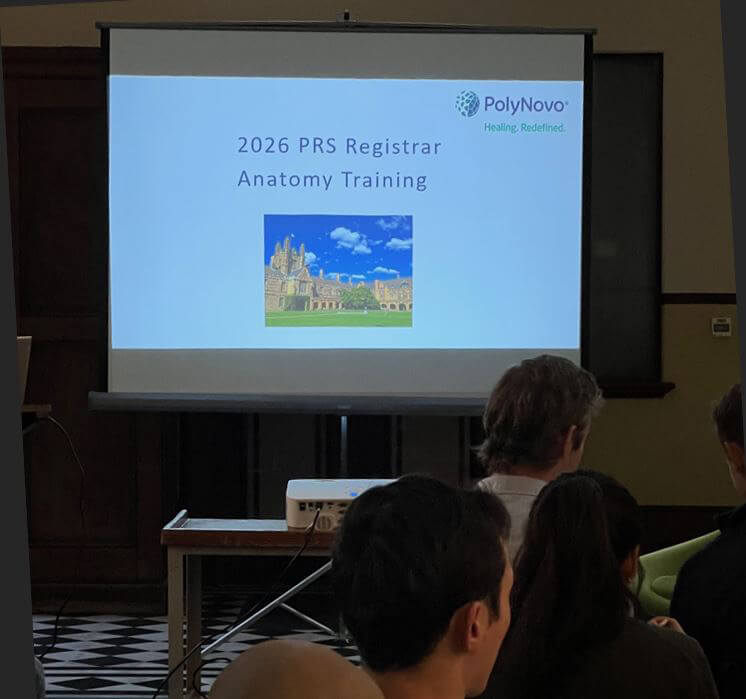
Recently, Dr Harith Alani was invited to participate in an advanced teaching programme at the University of Sydney’s Anatomy Department, helping plastic surgery trainees prepare for one of the most challenging milestones of their careers: the Final Fellowship Examination in Plastic and Reconstructive Surgery.

While the day was designed for surgeons in training, it highlights something that matters greatly to patients — a commitment to excellence, education and lifelong learning.

Why Anatomy Still Matters

Plastic surgery is built on an incredibly detailed understanding of human anatomy.

Every facelift, breast procedure, body contouring operation and reconstructive surgery relies on a surgeon’s ability to understand the intricate relationships between muscles, nerves, blood vessels and soft tissues.

For this reason, anatomy remains one of the most important foundations of plastic surgery.

The educational session focused on advanced upper limb anatomy, exploring the complex structures of the arm, forearm and hand and their relevance to reconstructive surgery, microsurgery, trauma and nerve reconstruction.

For the trainees preparing to sit their fellowship examinations, it was an opportunity to deepen their knowledge and refine the critical thinking skills required of future specialist plastic surgeons.

Dr-Harith-Alani-Returns-to-the-University-of-Sydney-img2

Sharing Knowledge Beyond the Operating Theatre

Dr Alani has always believed that learning never stops in medicine.

While patients see the end result in the consulting room or operating theatre, much of a surgeon’s professional life involves ongoing education, collaboration and mentorship.

During the session, Dr Alani guided trainees through surgical anatomy, examination-style discussions and practical clinical scenarios, helping bridge the gap between textbook knowledge and real-world surgical decision making.

These interactive discussions encouraged participants to think critically, challenge assumptions and apply anatomical principles to complex reconstructive problems.

Why This Matters for Patients

Patients often ask what separates one surgeon from another.

Technical skill is certainly important, but so too is a commitment to continual learning and professional development.

Surgeons who contribute to teaching and mentorship are actively engaged in the advancement of their specialty. They remain connected to evolving techniques, emerging evidence and the rigorous standards expected within plastic surgery training.

Being involved in surgical education is not simply about teaching others. It is about continually refining your own understanding and maintaining the highest professional standards.

Investing in the Future of Plastic Surgery

One of the most rewarding aspects of being a plastic surgeon is contributing to the future of the profession.

Today’s trainees will become tomorrow’s leaders, educators and innovators in plastic and reconstructive surgery.

By sharing knowledge and experience, established surgeons help ensure that future patients continue to benefit from safe, thoughtful and evidence-based care.

The University of Sydney session brought together trainees from across Australia in a collaborative environment focused on learning, mentorship and professional growth.

It was a reminder that excellence in surgery is built not only through experience, but through a willingness to teach, learn and continually strive for improvement.

A Commitment to Excellence

Whether treating patients in the operating theatre or mentoring future specialists in the anatomy laboratory, Dr Harith Alani remains committed to the same principle: pursuing excellence in plastic and reconstructive surgery.

His involvement in surgical education reflects a broader commitment to maintaining the highest standards of patient care, professional development and clinical expertise.

Because great surgeons never stop learning — and the patients they care for benefit from that commitment every day.