


When choosing a plastic surgeon, patients often look at qualifications, reviews and before-and-after photos.
What many don’t realise is that some surgeons are also trusted to help educate and mentor the next generation of specialists.
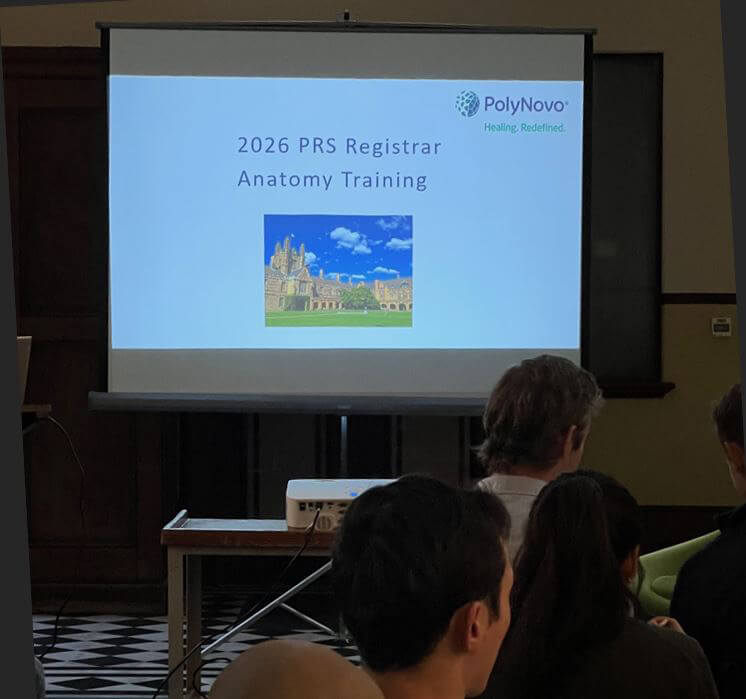
Recently, Dr Harith Alani was invited to participate in an advanced teaching programme at the University of Sydney’s Anatomy Department, helping plastic surgery trainees prepare for one of the most challenging milestones of their careers: the Final Fellowship Examination in Plastic and Reconstructive Surgery.
While the day was designed for surgeons in training, it highlights something that matters greatly to patients — a commitment to excellence, education and lifelong learning.
Why Anatomy Still Matters
Plastic surgery is built on an incredibly detailed understanding of human anatomy.
Every facelift, breast procedure, body contouring operation and reconstructive surgery relies on a surgeon’s ability to understand the intricate relationships between muscles, nerves, blood vessels and soft tissues.
For this reason, anatomy remains one of the most important foundations of plastic surgery.
The educational session focused on advanced upper limb anatomy, exploring the complex structures of the arm, forearm and hand and their relevance to reconstructive surgery, microsurgery, trauma and nerve reconstruction.
For the trainees preparing to sit their fellowship examinations, it was an opportunity to deepen their knowledge and refine the critical thinking skills required of future specialist plastic surgeons.
Sharing Knowledge Beyond the Operating Theatre
Dr Alani has always believed that learning never stops in medicine.
While patients see the end result in the consulting room or operating theatre, much of a surgeon’s professional life involves ongoing education, collaboration and mentorship.
During the session, Dr Alani guided trainees through surgical anatomy, examination-style discussions and practical clinical scenarios, helping bridge the gap between textbook knowledge and real-world surgical decision making.
These interactive discussions encouraged participants to think critically, challenge assumptions and apply anatomical principles to complex reconstructive problems.
Why This Matters for Patients
Patients often ask what separates one surgeon from another.
Technical skill is certainly important, but so too is a commitment to continual learning and professional development.
Surgeons who contribute to teaching and mentorship are actively engaged in the advancement of their specialty. They remain connected to evolving techniques, emerging evidence and the rigorous standards expected within plastic surgery training.
Being involved in surgical education is not simply about teaching others. It is about continually refining your own understanding and maintaining the highest professional standards.
Investing in the Future of Plastic Surgery
One of the most rewarding aspects of being a plastic surgeon is contributing to the future of the profession.
Today’s trainees will become tomorrow’s leaders, educators and innovators in plastic and reconstructive surgery.
By sharing knowledge and experience, established surgeons help ensure that future patients continue to benefit from safe, thoughtful and evidence-based care.
The University of Sydney session brought together trainees from across Australia in a collaborative environment focused on learning, mentorship and professional growth.
It was a reminder that excellence in surgery is built not only through experience, but through a willingness to teach, learn and continually strive for improvement.
A Commitment to Excellence
Whether treating patients in the operating theatre or mentoring future specialists in the anatomy laboratory, Dr Harith Alani remains committed to the same principle: pursuing excellence in plastic and reconstructive surgery.
His involvement in surgical education reflects a broader commitment to maintaining the highest standards of patient care, professional development and clinical expertise.
Because great surgeons never stop learning — and the patients they care for benefit from that commitment every day.


